
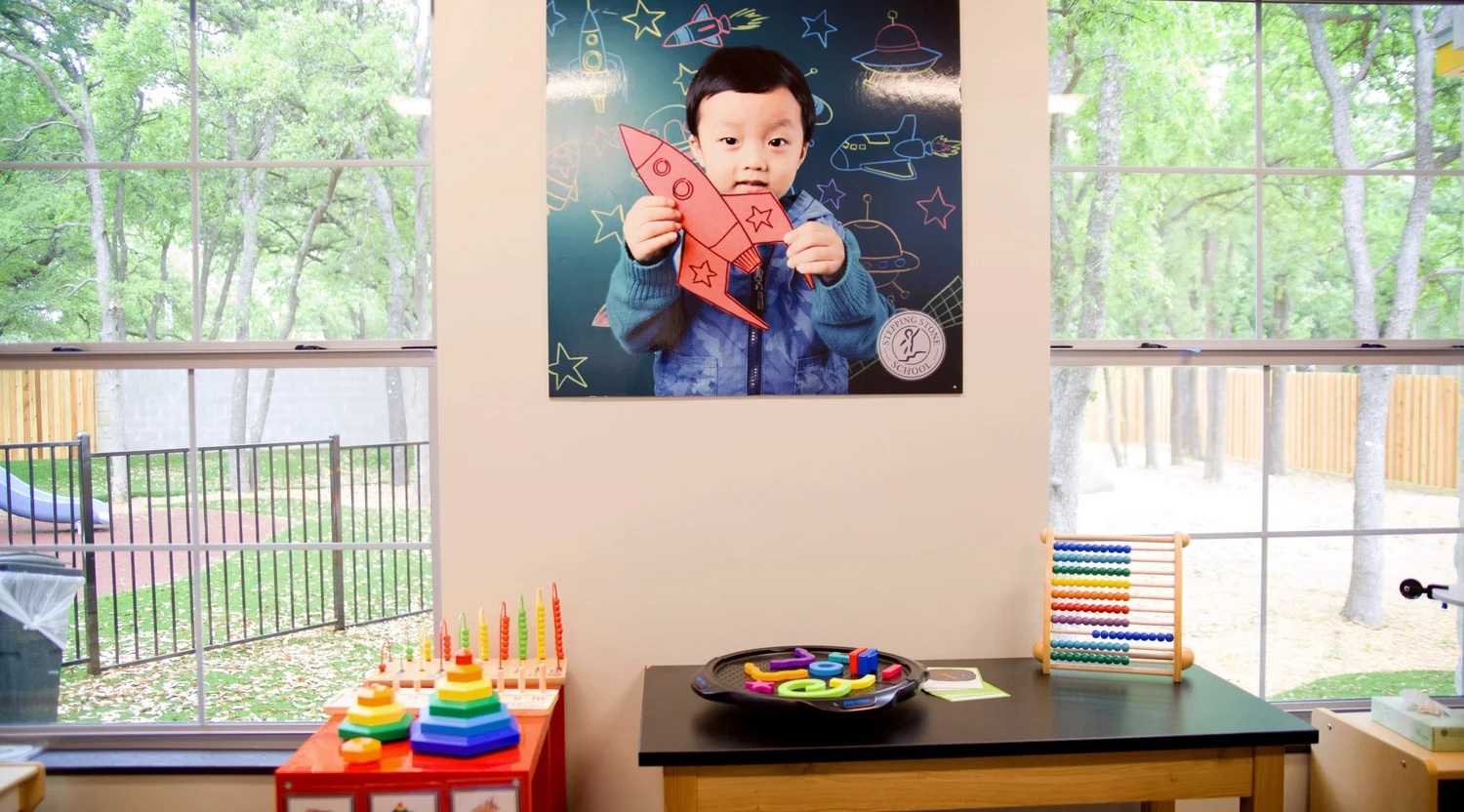
Most people spend the majority of their lives inside a climate-controlled building. While an enclosed structure does a great job of protecting its inhabitants from the elements and facilitates access to amenities for performing daily tasks, it can also limit access to fresh air and natural daylight and can unintentionally increase exposure to chemical and biological contaminants from indoor sources. This is often referred to as Sick Building Syndrome.
Adults are not the only ones that experience these types of conditions day-to-day. Young children can spend up to 9 hours a day in preschools and day care facilities – that’s over 2,200 hours a year! And when you include after-school and summer programs across a time span of approximately 5 years the grand total can reach over 21,000 hours spent indoors. In those 5 years, young children are in a built environment for longer than the rest of their K-12 careers (over 16,000 hours).
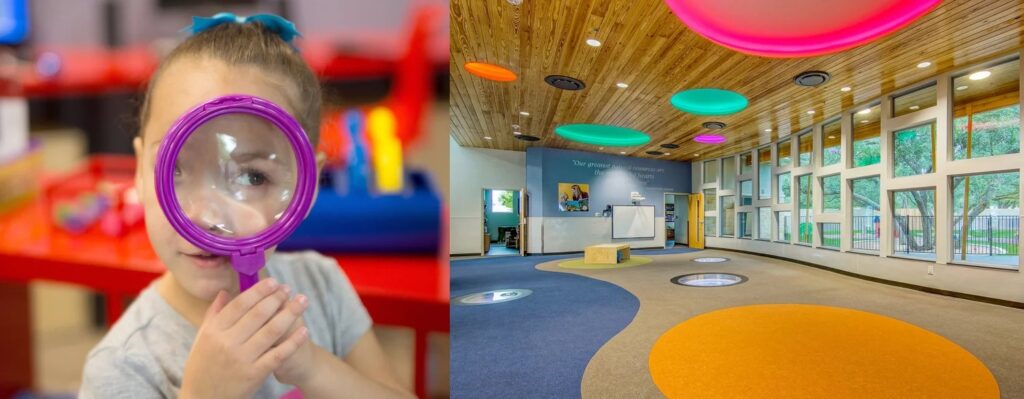
Focus your decisions on interior finishes not just on cost but also on the environmental effects these finishes have on the spaces they are in
Because children are developing so quickly during these early years, it is vital to provide them with the safest and most nourishing conditions possible. Being exposed to harmful physical environments can severely stunt a child’s development which can potentially affect the rest of their life.
It is for this reason that PMB Architecture, as Early Education Architects, work hand-in-hand with facility directors and preschool providers, as well as our Engineering partners, to ensure the overall environmental health of their buildings and classrooms.
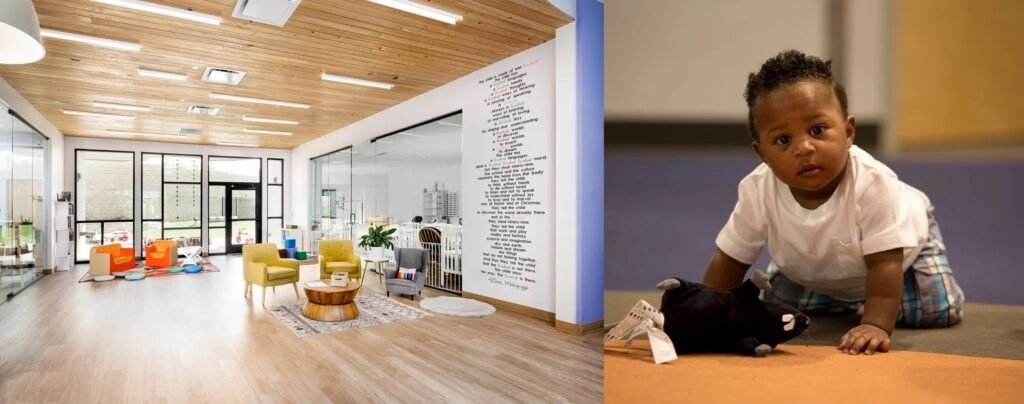
The most effective way to limit the exposure to indoor contaminants is by consciously selecting building materials and finishes that are no-VOC or low-VOC (Volatile Organic Compound). Flooring selections, for example carpet or vinyl tile, can potentially expose young children to dangerous chemicals and agents because of the amount of time they spend crawling or playing on the floor. These materials have been shown to off-gas chemicals and particulates into the air that can be harmful to children with respiratory health conditions. Some statistics show that one in ten children suffer from asthma with the percentage of children rising more rapidly in preschoolers. Eliminating irritants in the air is not only vital for health and safety but ultimately will keep children engaged in activities rather than in the nurse’s office.
A practical way to improve environmental conditions indoors is through operable windows. Windows not only offer access to natural daylight, which has been proven to enhance learning and engagement in school settings, they also provide an opportunity to allow for fresh air ventilation in classrooms. Opening a window to clear out stale air or noxious odors from a classroom is a better method than spraying another chemical in the air to mask the scent. It also serves as a learning tool to teach children about the weather or any other outdoor condition.
It is further recommended by ASHRAE (American Society of Heating, Refrigerating and Air-Conditioning Engineers) to upgrade existing HVAC equipment or to calibrate new equipment to provide maximum fresh air intake and provide the highest level of air filtration.
A less common issue nowadays, but still highly important is lead and pesticide exposure. Being exposed to lead at a young age can more significantly impact a child’s life compared to the harm it can cause an adult. And exposure to pesticides at an early age can cause appreciable drops in IQ scores. It is critical to deploy appropriate testing and abatement strategies when building on a site suspect to contamination or when rehabbing an older building.
The final area of focus is the outdoor play spaces. While air quality is less a concern in outdoor settings, there are still potential exposures to contaminants in the play equipment used regularly. Again, any type of plastic equipment should be no-VOC or low-VOC, but also waterproofing treatments should be avoided on wood framed equipment. Further, the rubber pellets in artificial turf can sometimes be comprised of carcinogenic materials that can be harmful to children. Providers must remain attentive that students are not eating or playing with the pellets.
These elements are only a general overview of the various areas where children may be exposed to potentially harmful contaminants. However, by making a few relatively minor adjustments, a child’s experience in their preschool can be greatly enhanced.
Here’s a list of some of our go-to building materials that promote healthier Early Education Environments:
Forbo Flooring Systems – Marmoleum https://www.forbo.com/flooring/en-us/marmoleum/p41k10
Forbo Flooring Systems – Flotex https://www.forbo.com/flooring/en-us/products/flotex/cecpcj
Globus Cork Flooring – https://corkfloor.com/
Tectum Acoustic Ceilings – https://www.armstrongceilings.com/commercial/en/articles/tectum-part-of-armstrong-portfolio.html
Sherwin Williams Zero VOC Paints – https://www.sherwin-williams.com/architects-specifiers-designers/education/paint-and-color-technology/sw-article-pro-acompletecoatin
For further information and a more comprehensive list, check out Eco-Healthy Child Care Checklist.